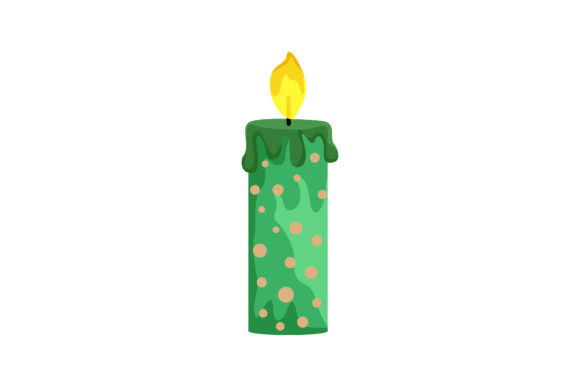
Red Candle Light and the Hot Fire: An Embroidery Review
As a designer who has digitized and stitched out countless holiday motifs, I approach every new graphic with a critical eye. When evaluating Red Candle Light and the Hot Fire, my first thought isn't just about its historical significance as a representation of the Star of Bethlehem or the Light of the World; it is about how those symbolic elements will translate into physical thread on fabric. This illustration carries a weight of tradition, but for an embroidery business or hobbyist, the real question is whether that visual warmth survives the digitization process and the needle's path.
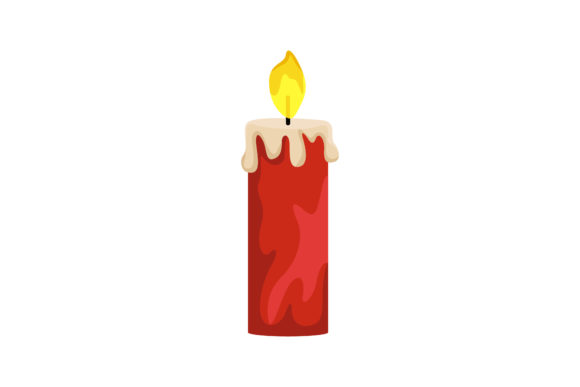
From a purely aesthetic standpoint, this design evokes a specific mood. It feels intimate, reverent, and distinctly vintage. Unlike modern, cartoonish holiday graphics, Red Candle Light and the Hot Fire suggests a more mature, heirloom quality. For an Etsy seller or boutique owner, this matters immensely. You aren't just selling a decoration; you are selling a feeling of nostalgia and spiritual comfort. However, translating the glow of fire and the sheen of wax into stitches requires careful planning. The interplay between the solid red candle body and the ethereal nature of the flame presents a unique technical challenge that defines where and how this design should be used.
Real-World Application: Stitching for Holiday Heirlooms
To truly understand the utility of this machine embroidery design, I recently tested it in a scenario familiar to many small shop owners: creating a premium holiday gift item. My project was a natural linen tea towel intended as a high-end hostess gift. Linen provides a beautiful texture but can be unforgiving with registration issues. I wanted to see if Red Candle Light and the Hot Fire could serve as a central focal point without overwhelming the delicate fabric weave.
The result highlighted both the strengths and necessary precautions of this graphic. On the linen, the red candle provided a stunning anchor. Because the illustration likely relies on rich fill stitch areas for the candle body, it created a satisfying tactile contrast against the matte background. However, the "hot fire" element required adjustment. In digital illustrations, gradients create light; in embroidery, we rely on thread color blending and stitch direction. If your embroidery file uses too many dense layers to simulate the flame's glow, you risk perforating the fabric or creating a stiff, bulletproof patch of stitches. For my tea towel, ensuring the flame utilized lighter running stitches or softer satin stitch edges was crucial to maintaining the drape of the finished product.
This test confirmed that this design shines best on items meant to be cherished rather than abused. While it would technically work on a sweatshirt, the intricate details of the flame might get lost in the fleece nap. Instead, think of woven cottons, linens, and smooth quilting fabrics where the stitch definition remains crisp.
Navigating Fabric Choices and Stabilizer Strategy
When incorporating Red Candle Light and the Hot Fire into your commercial embroidery lineup or personal projects, fabric selection is your primary variable. The design’s personality is warm and glowing, which creates immediate considerations for contrast.
- Light and Neutral Fabrics: This is the ideal canvas. Cream, ivory, beige, and soft gray allow the red candle to pop while giving the fire element room to breathe. The visual hierarchy remains intact because the background doesn't compete with the mid-tones of the flame.
- Dark Fabrics: Proceed with caution. A deep red candle on navy or black fabric can disappear unless there is significant outlining or highlighting in the digitizing. If you plan to use this on dark apparel, verify that the embroidery file includes adequate underlay or contrasting border stitches to define the silhouette.
- Textured Surfaces: For terry cloth towels or fleece blankets, the fine details of the flame are at risk. You may need to increase the size of the design or simplify the outer edges of the fire to prevent stitches from sinking into the pile.
Stabilizer choice is equally non-negotiable. Because this illustration combines potentially dense fill areas (the candle) with delicate detail work (the flame), a cut-away stabilizer is generally safer than tear-away for stretchy knits or lightweight wovens. For the linen tea towel mentioned earlier, a medium-weight fusible mesh provided enough support to prevent puckering around the candle base without adding unnecessary bulk to the final handmade product.
Technical Considerations for Professional Results
Before you hoop up your good fabric, treat Red Candle Light and the Hot Fire with the same professional scrutiny you would apply to any complex digital asset. As experienced makers know, not all files are created equal, even when the source art is beautiful.
- Audit the Stitch Density: Open the file in your editing software or machine preview. Check the transition zone between the candle and the flame. Is there excessive overlap? High density here can cause needle breaks or fabric distortion. If the count seems excessive for the hoop size, consider reducing density or resizing.
- Verify Hoop Size Compatibility: Ensure the design fits your intended placement with adequate margin. Crowding a detailed illustration against a seam allowance or hem looks unprofessional. Always measure twice.
- Thread Color Validation: Do not assume standard red and yellow threads will match the artist's vision. Test specific thread brands against the fabric. Sometimes a variegated gold or orange thread captures the "hot fire" effect better than a solid yellow satin stitch.
- Licensing Confirmation: Before listing any finished product featuring this design on Etsy or your own site, confirm the commercial usage rights. Some graphics are for personal use only, while others permit sale of physical embroidered items but prohibit resale of the digital embroidery file itself.
Elevating Product Value Through Design Integrity
Why does this level of analysis matter? Because customers can feel the difference between a rushed stitch-out and a thoughtful execution. When Red Candle Light and the Hot Fire is rendered correctly, it elevates the perceived value of the entire piece. A well-executed candle motif on a baby blanket or nursery pillow signals safety, warmth, and tradition. It tells the buyer that the maker understands the subject matter.
Conversely, poor execution undermines trust. Puckered fabric, broken flame details, or muddy colors suggest mass production or lack of skill. For creative entrepreneurs, taking the extra hour to test stitch density and adjust stabilizer is an investment in brand reputation. Use printable mockups to visualize placement before stitching, but always validate with a physical sample. Digital previews cannot show you how light catches the sheen of rayon thread versus the matte finish of polyester, nor can they reveal if the design pulls the fabric grain off-center.
Ultimately, Red Candle Light and the Hot Fire is a versatile addition to the holiday embroidery repertoire, provided it is treated with respect for its complexity. Whether you are crafting a personalized gift for a loved one or building a seasonal collection for your craft business, let the historical resonance of the design guide your technical choices. By balancing the symbolic weight of the Light of the World with the practical realities of stitch mechanics, you create finished products that honor both the tradition and the craft.