All I Need is a Little Bit of Coffee SVG: Graphics for Crafts
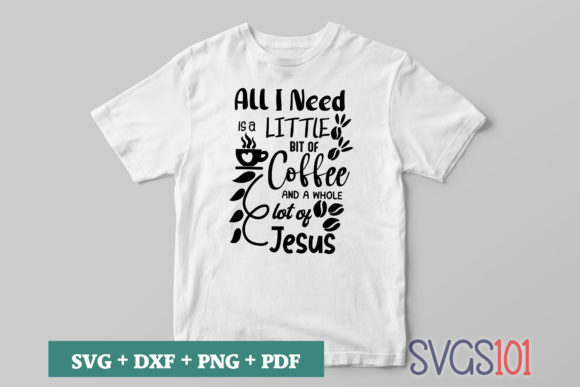
When evaluating a new graphic design asset for a client project, my first question is always about emotional resonance. Does this file solve a visual problem, or does it merely fill space? In reviewing the All I Need is a Little Bit of Coffee SVG, I approached it through the lens of a current branding project for a faith-based lifestyle boutique. The client needed merchandise that felt personal and relatable rather than overtly corporate or sterile. This specific SVG design immediately stood out as a strong contender because it bridges two massive niches: caffeine culture and spiritual grounding. The typography suggests a relaxed, handwritten aesthetic that communicates warmth, making it an ideal candidate for small business branding where authenticity is the primary currency.
Evaluating Typographic Hierarchy and Emotional Tone
In professional creative design, hierarchy dictates how a viewer processes information. This asset balances the secular phrase "All I Need is a Little Bit of Coffee" with the spiritual anchor "And A Whole Lot Of Jesus." From a layout perspective, this duality offers excellent flexibility. The script elements likely carry the emotional weight, while the supporting text provides structural balance. For a handmade business or Etsy product line, this hierarchy prevents the design from looking like generic clipart. Instead, it reads as a curated statement. When I tested this concept mentally against modern design trends, it aligned perfectly with the "cozy faithful" aesthetic currently dominating social media graphics and printable design markets. It avoids being too preachy while still maintaining clear brand identity for a specific target demographic.
Technical Performance Across Cutting Machines and Print
A beautiful screen preview means nothing if the file fails during production. As a designer working with both digital and physical outputs, I scrutinized the technical specifications. The inclusion of SVG format ensures compatibility with Cricut and Silhouette machines, which is non-negotiable for t-shirt design and sticker design projects. However, the addition of DXF format specifically for Silhouette users and Brother ScanNCut owners demonstrates a thoughtful approach to accessibility. Many free or low-cost assets neglect DXF users, leading to jagged edges or node issues. For my client’s print-on-demand fulfillment, knowing this vector data is clean reduces the risk of production errors. Whether used for sublimation design on mugs or vinyl application on tote bags, the vector integrity ensures crisp lines at any scale. This technical reliability transforms a simple illustration into a robust commercial design tool.
Strategic Applications in Merchandise and Packaging
Where does this asset truly shine in a real-world workflow? Based on its visual weight and thematic content, the All I Need is a Little Bit of Coffee SVG performs best in medium-to-large format applications. I envision this as a hero graphic on a canvas tote bag or the central element of a ceramic mug mockup. In packaging design, it serves as an excellent label accent for coffee blends or faith-based journals. For digital sellers creating Canva templates, this graphic provides a ready-made focal point for Instagram posts or Pinterest pins targeting Christian entrepreneurs. It also works beautifully in editorial design for blog headers or newsletter banners where the goal is to create an immediate sense of community and shared values. The versatility allows it to function as both a standalone product and a supporting brand element within a larger cohesive collection.
Navigating Limitations and Visual Constraints
Professional judgment requires acknowledging where an asset should not be used. Despite its charm, this design has constraints. Due to the intricate nature of script typography often found in such phrases, readability suffers significantly at small sizes. I would advise against using this for business cards, website favicons, or dense informational flyers. The visual complexity demands breathing room; crowding it destroys the whimsical mood. Furthermore, this asset is stylistically incompatible with minimalist corporate branding or high-tech marketing visuals. Placing it in a sterile, grid-heavy layout creates cognitive dissonance. Designers must also be mindful of contrast. If applying this to dark backgrounds, ensure the stroke width is sufficient to remain legible. It is a decorative, emotive piece, not a utilitarian icon, and treating it as such will compromise the final result.
Essential Pre-Flight Checks for Commercial Projects
Before integrating this into any paid client work, I run a mandatory quality assurance protocol. First, always test the SVG in black and white. Color can mask poor kerning or overlapping nodes; removing it reveals the true structural integrity of the lettering. Second, verify the commercial license terms explicitly. Just because a file is available on a creative marketplace does not guarantee unlimited print-on-demand rights. Clarify if attribution is required or if there is a cap on unit sales. Third, place the design on realistic product mockups before presenting to clients. A flat vector looks different on a curved mug or textured fabric. Finally, compare the font style against your existing brand kit. If your client uses strict geometric sans-serifs, this handwritten style might clash unless intentionally used as a contrasting accent. These steps ensure the asset enhances rather than detracts from professional standards.
Final Verdict for Brand Owners and Crafters
The All I Need is a Little Bit of Coffee SVG represents more than just a cute saying; it is a functional design asset with clear market positioning. For crafters and Cricut users, the multi-format inclusion guarantees smooth fabrication. For brand owners and marketers, the emotional hook supports engagement-driven campaigns. It succeeds because it understands its audience, blending lifestyle and faith in a visually digestible format. While it requires careful handling regarding size and context, its potential for connection makes it a valuable addition to a designer's toolkit. When used with intentionality and technical diligence, this graphic elevates projects from generic crafts to meaningful commercial design, proving that even niche assets can drive significant value when applied with professional expertise.